A good nonstick frying pan can be a kitchen workhorse, but it only stays effective if cared for properly. The right maintenance routine helps prevent damage to the delicate coating and keeps your pan cooking like new for years. Here are essential tips to protect your investment and ensure your nonstick pan delivers flawless cooking every time.
1. Avoid Using Metal Utensils
Metal utensils such as forks, knives, and metal spatulas can scratch and chip the nonstick coating. Over time, this can cause the surface to lose its slickness and even lead to flaking.
Best Practice:
Use wooden, silicone, or plastic utensils when cooking with your nonstick pan. These materials are gentle and won’t harm the coating.
2. Cook on Low to Medium Heat
Nonstick coatings, especially PTFE-based ones, are sensitive to very high temperatures. Cooking on excessively high heat can damage the coating and reduce its lifespan.
Best Practice:
Use low to medium heat for most cooking tasks. Reserve high heat for pans designed to withstand it, such as cast iron or stainless steel.
3. Avoid Preheating an Empty Pan
Heating a nonstick pan while empty can cause the coating to overheat and degrade faster.
Best Practice:
Always add a little oil, butter, or food before heating the pan, or heat it on low heat to warm gradually.
4. Hand Wash Your Pan
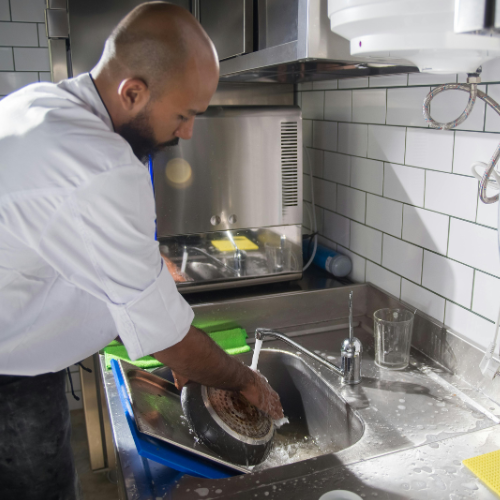
Although many nonstick pans claim to be dishwasher safe, repeated dishwasher cycles can wear down the coating over time.
Best Practice:
Wash your pan by hand using warm water, mild dish soap, and a soft sponge or cloth. Avoid abrasive scrubbers or steel wool.
5. Dry Thoroughly Before Storing
Moisture left on the pan can promote rust on exposed metal edges or degrade the coating.
Best Practice:
After washing, dry your pan thoroughly with a clean towel before storing it.
6. Store Carefully to Avoid Scratches
Stacking pans without protection can cause scratches and damage to the nonstick surface.
Best Practice:
Use a soft cloth, paper towel, or pan protector between stacked pans to avoid contact with other cookware.
7. Re-season Cast Iron or Ceramic Pans if Needed
If you have a cast iron pan or a ceramic-coated pan, occasional re-seasoning can help maintain their nonstick properties.
Best Practice:
- For cast iron, apply a thin layer of cooking oil and bake it in the oven to restore seasoning.
- For ceramic pans, check the manufacturer’s instructions; some recommend periodic oil treatments to preserve the coating.
8. Avoid Cooking Sprays
Cooking sprays can leave a residue that builds up on nonstick surfaces and reduces their effectiveness over time.
Best Practice:
Use a small amount of regular cooking oil or butter instead of aerosol sprays.
9. Replace When Necessary
Even with the best care, nonstick coatings will eventually wear out, usually after a few years depending on usage.
Signs to Replace Your Pan:
- Food sticks more than usual
- Visible scratches or flaking on the surface
- Uneven heating or warping
When you notice these signs, it’s time to upgrade to a new pan for safe and enjoyable cooking.
By following these care tips, you’ll maximize the lifespan and performance of your nonstick frying pan — ensuring it remains a trusty kitchen companion for many meals to come. Checkout The 9 Best Cleaning Products for Pots and Pans 2025.